Referral Chains: The Hidden Mechanism Boosting Retention at Britain's Leading Betting Platforms
Clara Koch · Aug 13, 2026
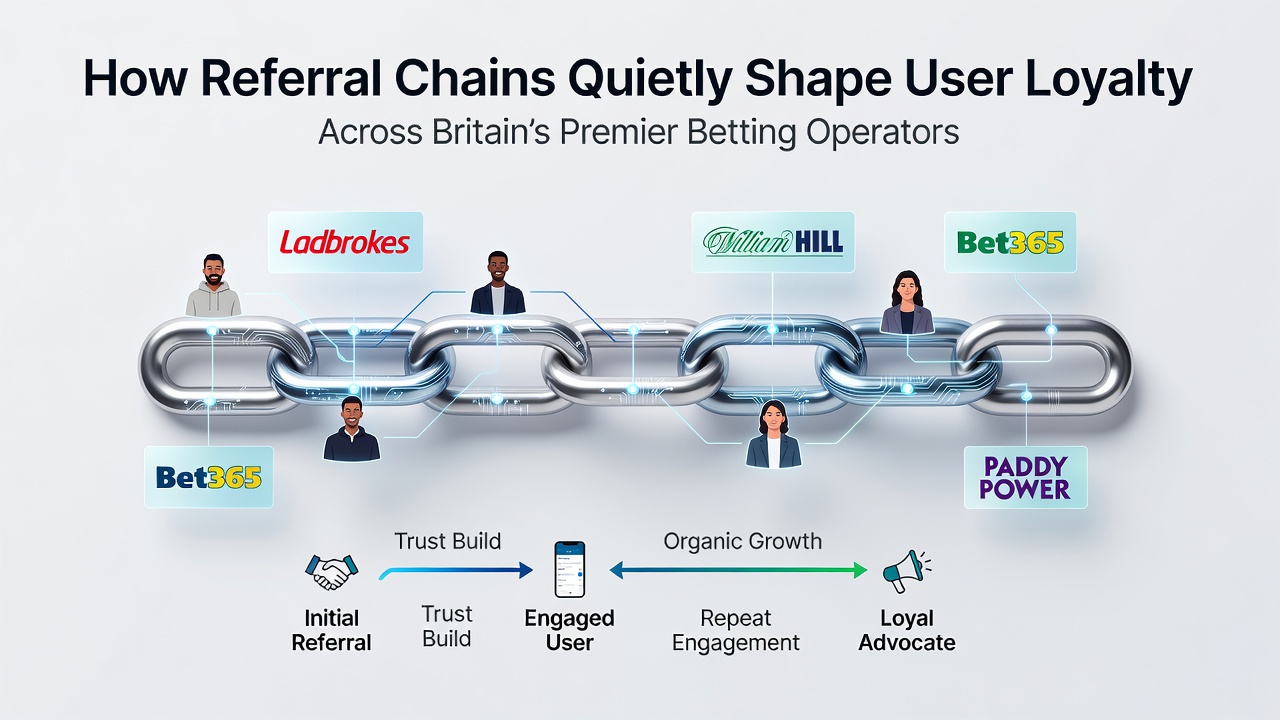
Referral Chains: The Hidden Mechanism Boosting Retention at Britain's Leading Betting Platforms
Referral chains operate as structured invitation systems where existing account holders invite new users through unique codes or links and both parties receive layered rewards that accumulate over time. These programs run quietly across operators including Bet365, Ladbrokes, and Paddy Power, with data showing higher retention rates among referred users compared to those acquired through standard advertising channels. Industry reports indicate that referred customers place bets more frequently in the first six months after signup because ongoing bonuses tie directly to continued activity from both the referrer and the new account.
Mechanics Behind Chain-Based Rewards
Operators track referrals through persistent identifiers that link accounts across multiple generations of invites, creating long chains where each new participant extends benefits back to earlier users. A single successful referral can trigger tiered payouts such as free bets or deposit matches that scale with the volume of activity generated further down the chain, and this structure encourages referrers to monitor and support the engagement levels of those they brought in. August 2026 figures from several platforms revealed that chains averaging three or more participants produced retention rates 22 percent above the platform average, according to internal metrics shared with industry analysts.
Users often receive notifications when someone in their chain completes a qualifying deposit or reaches a betting threshold, which keeps the connection active without requiring direct contact outside the app. This notification loop turns the referral into an ongoing relationship rather than a one-time event, and operators note that chains with frequent updates see fewer dormant accounts after the initial bonus period ends.
Comparative Approaches Across Major Operators
Bet365 structures its referral incentives around progressive cashback that increases with the number of active users in a chain, while Paddy Power emphasizes instant rewards for the first bet placed by each new participant. Ladbrokes integrates chain tracking with its broader loyalty scheme so that referred activity contributes points toward personalized offers that appear weeks later. These differences shape how loyalty develops because longer chains at one operator might yield compounding rewards over months, whereas another focuses on quicker but smaller returns that encourage repeat signups rather than deep engagement.

One study conducted by researchers at the University of Nevada's International Gaming Institute found that platforms using multi-generational tracking retained referred users for an average of 14 months longer than those limited to single-generation bonuses. Observers note that the extended tracking requires more sophisticated backend systems, yet the resulting data on user behavior helps operators refine offers that match actual betting patterns within specific chains.
Impact on Deposit and Betting Patterns
Referred users tend to maintain steadier deposit schedules because the visible progress of their chain provides an additional incentive layer beyond personal wins or losses. Data shows clusters of activity where one user's deposit triggers reminders for others in the same chain, producing synchronized spending patterns that operators can predict and accommodate through targeted promotions. In August 2026, several major sites reported that referral-driven deposits accounted for nearly 18 percent of total new funding, a share that has grown steadily since chain programs expanded in 2024.
Those who've examined account-level records point out that referred customers also show lower churn during losing streaks, possibly because the social element of the chain supplies motivation that standalone accounts lack. This pattern appears consistent across both sports betting and casino sections of the same platforms, suggesting the loyalty effect operates independently of product type.
Regulatory Context and Industry Monitoring
Authorities outside the UK, including the Australian Institute for Gambling Research, have examined similar referral structures in other markets and documented how extended reward chains can increase overall gambling volume without corresponding increases in responsible gambling tool usage. British operators have adjusted their programs to include mandatory spend reminders within chain notifications, yet the core mechanics remain intact because regulators focus more on transparency than on limiting referral depth.
Trade groups such as the European Gaming and Betting Association have published guidelines urging clearer disclosure of how chain rewards are calculated, and several platforms now display projected earnings based on chain size so users understand the ongoing commitments involved. These adjustments have not reduced participation rates, indicating that the loyalty benefits continue to outweigh added complexity for most active users.
Conclusion
Referral chains function as embedded retention tools that link individual accounts into networks rewarded for collective activity, and evidence from multiple platforms confirms their role in extending user lifespan across Britain's major betting operators. As tracking technology improves and reward structures evolve, these systems will likely deepen their influence on how loyalty develops and sustains itself within the sector.