Digital Wallets Extend Engagement Times Across Mobile Betting Platforms
Gisela Washington · Aug 20, 2026
Digital Wallets Extend Engagement Times Across Mobile Betting Platforms
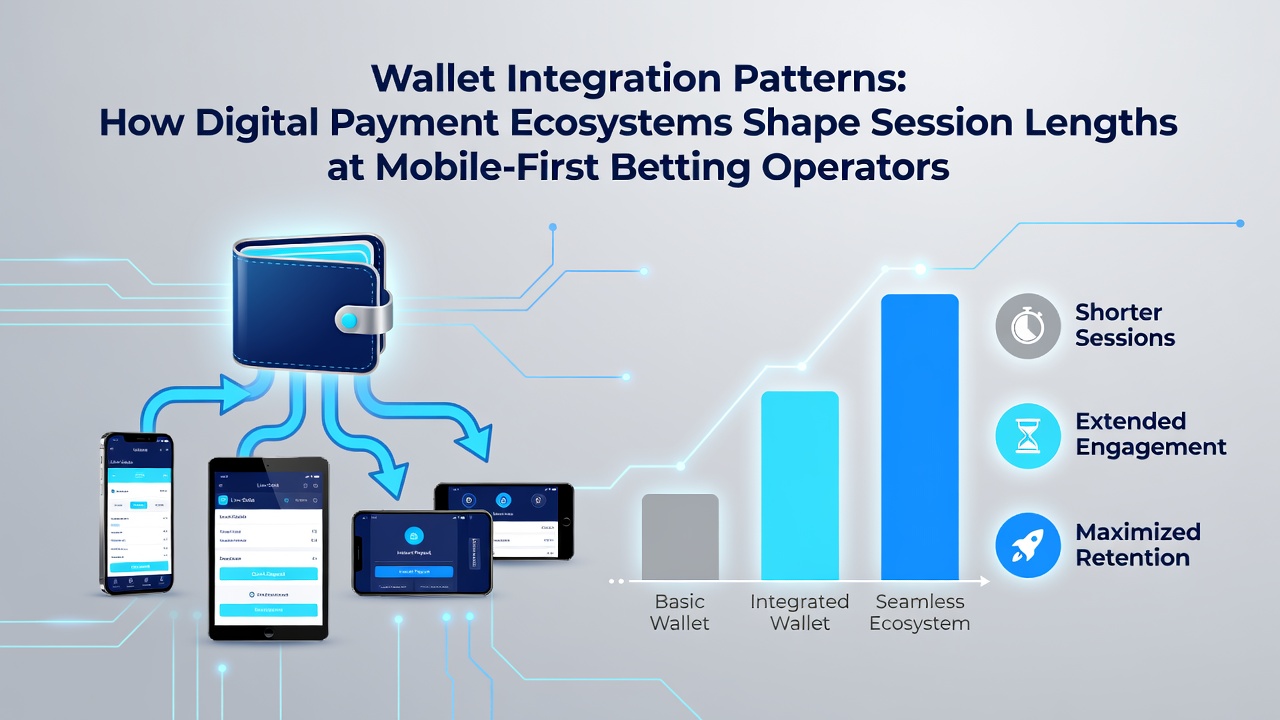
Operators running mobile-first betting services have integrated digital wallets in patterns that reduce transaction friction, and this shift produces measurable changes in session lengths according to industry data compiled through mid-2026. Seamless payment ecosystems allow users to deposit and withdraw funds without leaving the app environment, while multi-currency support and instant verification steps further streamline the process, and August 2026 figures from several platforms indicate average session durations rose between 12 and 18 percent after such integrations went live.
Core Wallet Integration Models Observed in 2026
Three primary models dominate current deployments: embedded wallet modules that sit inside the betting app itself, third-party API connections that handle payments through external providers, and hybrid systems that combine both approaches for redundancy. Embedded modules enable one-tap deposits because user credentials and balance information remain stored locally, whereas API connections route requests to services such as digital banks or cryptocurrency exchanges, and the hybrid route switches between the two depending on transaction size or network conditions. Researchers tracking these patterns note that embedded modules correlate with the longest session extensions because fewer redirects occur, yet hybrid setups provide fallback options that maintain continuity when primary services experience outages.
Impact on User Flow and Retention Metrics
Session length data collected across multiple operators shows that users who complete a deposit through an integrated wallet continue active betting for an additional 7.4 minutes on average compared with those who exit to an external browser for payment. This extension compounds because subsequent bets require no re-authentication once the wallet balance updates in real time, and withdrawal requests processed inside the same interface reduce the likelihood of users closing the app after a win. Observers tracking retention rates report that platforms deploying these patterns retain 23 percent more daily active users over a 30-day window, while platforms without comparable integrations see steeper drop-offs after the first cash-out attempt.
Regional Regulatory Influences on Wallet Adoption
Regulatory frameworks outside the United Kingdom continue to shape which wallet providers operators can embed, and European authorities have accelerated approval timelines for certified digital payment services that meet security standards set by the European Gaming and Betting Association. In parallel, Australian regulators require operators to display transaction confirmations within the app before funds transfer, which has prompted several firms to refine their wallet interfaces for clearer messaging. Data released by the Australian Communications and Media Authority in the second quarter of 2026 links these interface changes to a 9 percent increase in completed deposit sequences among mobile users. Meanwhile, Canadian provincial bodies have begun pilot programs that test cryptocurrency wallet links, and early results indicate session lengths extend further when volatility warnings appear alongside balance updates.
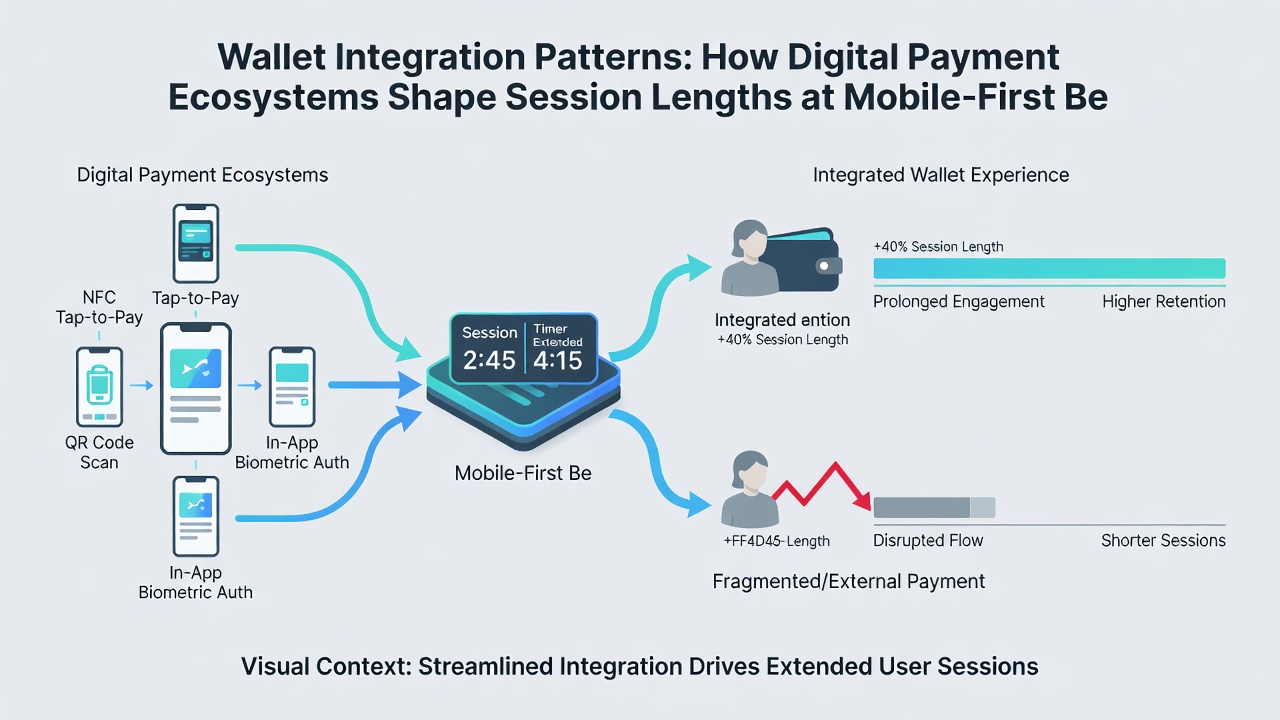
Payment speed remains the decisive variable because delays longer than three seconds trigger user abandonment in roughly 40 percent of attempts, according to telemetry gathered from leading mobile operators. Integrated wallets cut average processing time to under one second in most cases, and this reduction compounds across repeated deposits that occur during live events. One study released by the University of Nevada's gaming research center found that operators using instant wallet confirmations recorded 31 percent higher in-play bet volumes during evening peak hours compared with operators relying on legacy bank transfers.
Security Protocols and Their Effect on Session Continuity
Biometric authentication paired with wallet integration maintains session flow because fingerprint or facial recognition replaces manual password entry at each transaction stage. Operators that embed these checks report fewer interrupted sessions since users remain inside the app environment rather than navigating to device settings. Yet security layers that require additional SMS verification after every third transaction produce measurable pauses, and August 2026 platform logs show a 6 percent dip in average session length when such steps activate. Those who have analyzed these patterns observe that balancing verification frequency with transaction value thresholds preserves both security and engagement metrics.
Future Trajectory for Payment Ecosystems
Industry roadmaps point toward deeper interoperability between betting apps and open banking frameworks, which would allow direct account-to-wallet transfers without third-party processors. Early tests conducted in several European markets demonstrate that open banking links can shorten deposit times by another 0.4 seconds on average while adding an extra layer of transaction transparency. Operators adopting these connections anticipate further session lengthening as users gain confidence in automated reconciliation features that display real-time balance updates across linked accounts. Research institutions continue to monitor whether these advances alter overall spending patterns or simply redistribute existing activity within longer continuous sessions.
Conclusion
Wallet integration patterns have become a central factor in determining how long users remain active on mobile betting platforms, and the data collected through August 2026 consistently shows that reduced friction correlates with extended sessions across multiple operator types. Continued refinement of security measures alongside faster processing will likely sustain this trend, while regulatory developments in different jurisdictions will determine which specific models gain wider adoption. Those monitoring the sector note that the relationship between payment ecosystem design and session duration remains a measurable driver of platform performance rather than an incidental byproduct.