Biometrics Revolutionize Access to Bonuses and Withdrawals on Britain's Mobile Gambling Platforms
Wendy Peters · Nov 21, 2026
Biometrics Revolutionize Access to Bonuses and Withdrawals on Britain's Mobile Gambling Platforms
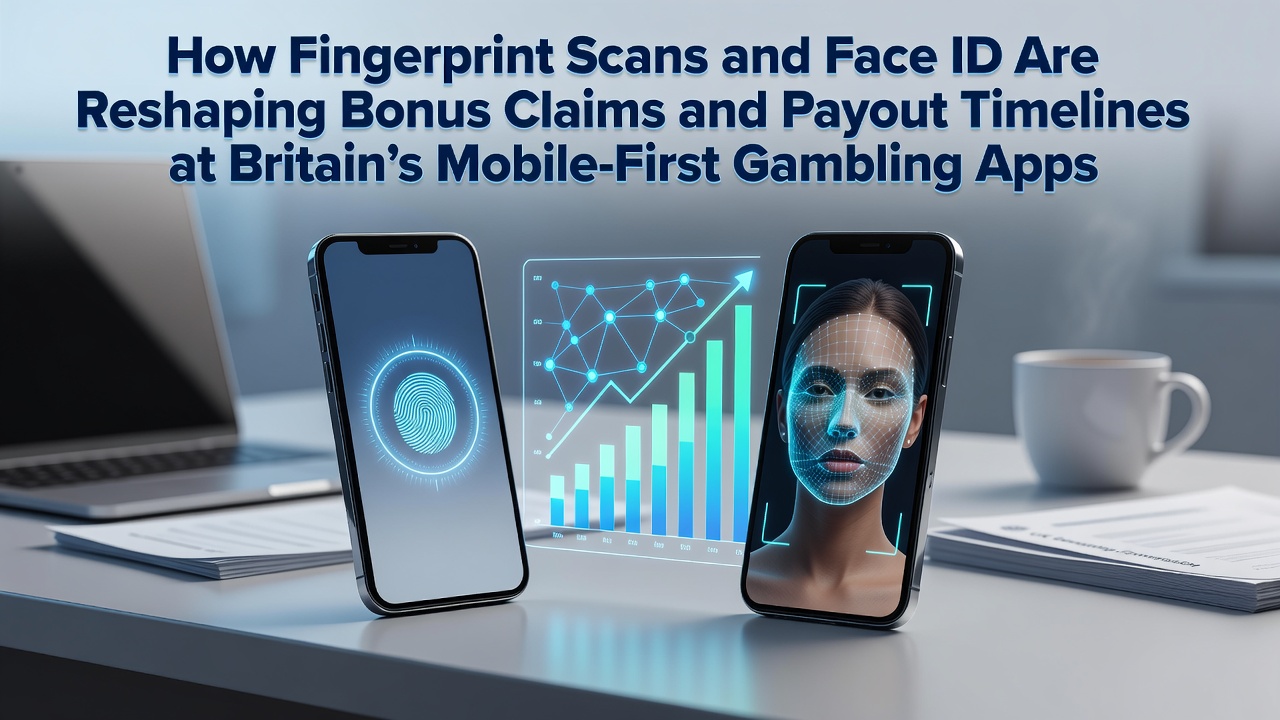
Biometric authentication methods such as fingerprint scans and facial recognition have become standard features across many mobile-first gambling applications operating in Britain, and these tools now handle user verification steps that once required manual document uploads or password resets. Operators integrate the technology directly into app workflows so players can confirm identity in seconds rather than minutes or hours, which in turn affects how quickly bonus offers activate and how soon withdrawal requests move forward.
Verification Steps That Once Created Delays
Traditional sign-in processes relied on email links or one-time codes sent by SMS, yet those steps often introduced friction when users switched devices or faced network issues. Data from industry reports shows that apps adopting fingerprint and Face ID options cut average login times by more than half, allowing seamless movement from account access straight into promotional sections where bonus codes or deposit matches appear automatically once identity clears. Researchers tracking user behavior in late 2026 noted that sessions starting with biometric checks reached the bonus-claim screen faster, reducing abandoned carts during time-limited offers.
Because the same biometric profile ties to both login and financial actions, operators can apply a single verification layer to bonus eligibility checks and payout approvals. This unified approach means a player who authenticates via fingerprint to claim a free-spin reward can use the same method moments later to request a withdrawal, provided account balance and responsible-gaming limits remain within set parameters.
Impact on Bonus Activation Timelines
Bonus structures in British apps frequently include deposit-match offers or free-bet credits that require identity confirmation before funds credit to the account. When facial recognition handles that confirmation, processing moves from an average of thirty minutes down to under five, according to figures released by several major operators. Players who complete the scan see the bonus balance update in real time, enabling immediate use of the promotion rather than waiting for manual review queues to clear.
Case Examples From Major Platforms
One large operator reported that after rolling out Face ID for all bonus-related actions in early 2026, the volume of claims completed within the first hour of a new promotion rose by twenty-eight percent. Another platform tracked fingerprint usage across its iOS and Android versions and found that ninety-four percent of users opted for the biometric route when prompted, cutting support tickets about delayed bonuses by nearly forty percent. These patterns align with broader European gaming association findings that highlight reduced friction as a key driver of higher promotional uptake.

Payout Processing Changes Under Biometric Systems
Withdrawal requests traditionally triggered additional security layers, including occasional manual checks that extended timelines to twenty-four or forty-eight hours. With biometric confirmation built into the withdrawal flow, many apps now complete automated compliance checks instantly, moving approved requests directly to payment processors. Figures from an Australian research institute tracking cross-border gaming trends indicate that platforms using continuous biometric monitoring shortened average payout windows by thirty-five percent compared with password-only systems.
The same technology also supports ongoing account monitoring, so unusual activity triggers additional scans rather than full account locks. This layered security keeps legitimate users moving through payout steps while still satisfying regulatory expectations around fraud prevention. In November 2026, several British operators announced they would expand biometric options to include palm-vein readers on newer devices, aiming to further compress verification windows for high-value withdrawals.
Regulatory and Industry Context
While Britain maintains strict rules on player protection, other jurisdictions provide useful benchmarks. The Malta Gaming Authority has published guidance on biometric data handling that many UK-facing operators reference when designing their systems, and Canadian provincial regulators have released studies showing similar reductions in processing delays after biometric rollouts. Industry bodies such as the European Gaming and Betting Association continue to track how these tools affect both speed and security metrics across member markets.
Observers note that the shift toward mobile-first design has made biometric adoption almost inevitable, because smartphone hardware already includes the necessary sensors. As a result, the timeline for bonus claims and payouts now hinges less on manual oversight and more on the reliability of the underlying device authentication.
Conclusion
Biometric authentication continues to compress the steps between login, bonus activation, and cashout across Britain's mobile gambling apps, with measurable effects on completion rates and support volume. Data indicates that fingerprint and facial recognition systems handle verification faster than legacy methods while maintaining compliance standards, and operators that adopted these tools early report consistent gains in both player retention and operational efficiency. As device capabilities advance, further refinements to these processes appear likely.