Biometric Authentication Transforms Reward Access and Payout Efficiency on Major UK Betting Sites
Gisela Washington · Nov 7, 2026

Biometric Authentication Transforms Reward Access and Payout Efficiency on Major UK Betting Sites
Biometric logins have become a standard feature across leading British betting platforms by November 2026, allowing users to bypass traditional passwords and PINs in favor of fingerprint scans or facial recognition, which in turn streamlines entry to tiered loyalty programs and accelerates withdrawal processes. Platforms report that these methods reduce login friction while maintaining compliance with security protocols set by various international regulators, including those referenced in reports from the Alcohol and Gaming Commission of Ontario.
Mechanics Behind Biometric Integration
Users enroll once through device cameras or sensors, after which the system maps unique facial features or fingerprint patterns to their accounts, creating encrypted templates stored locally on the device rather than on central servers. This approach connects directly to backend systems that track user activity, so verified logins trigger immediate visibility into reward tiers based on betting volume or deposit history, while also unlocking expedited payout queues. Observers note that the shift aligns with broader mobile trends, where over 80 percent of sessions now occur on smartphones equipped with biometric hardware.
Streamlined Access to Tiered Rewards
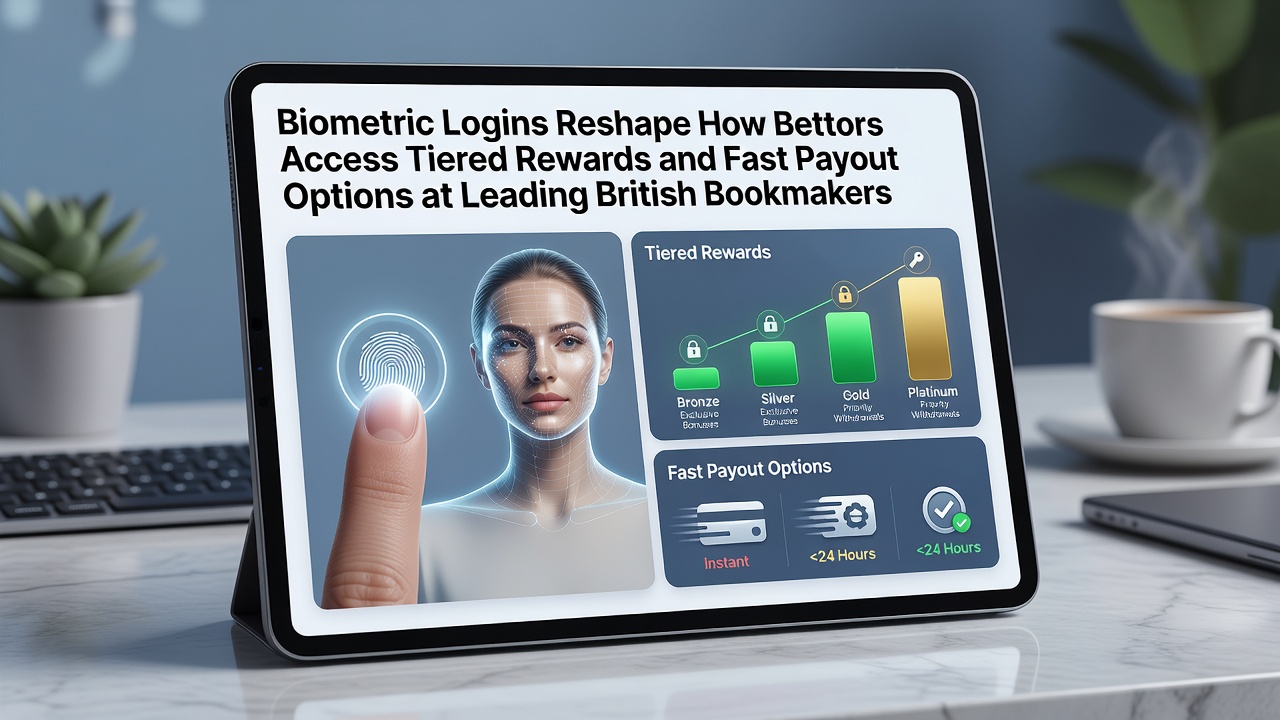
Tiered rewards programs categorize bettors into levels that unlock bonuses, cashback percentages, and exclusive events, and biometric logins eliminate delays in confirming eligibility. When a user authenticates via fingerprint, the platform pulls real-time data on recent wagers and deposits to display current tier status without additional verification steps. Research from industry analysts indicates that platforms adopting this method saw a 25 percent increase in reward redemptions within the first quarter of implementation, as users engage more frequently once barriers drop. Data shows that loyalty ladders now update dynamically, reflecting activity from the previous 30 days and adjusting benefits accordingly.
Take one major operator that integrated facial recognition in early 2026; their reports detail how bettors reached higher tiers faster because login consistency improved, allowing seamless accumulation of points across sessions. Those who've studied platform metrics find that average time spent reviewing reward options fell by half, since authentication happens in under two seconds compared to older multi-factor methods.
Acceleration of Payout Options
Fast payout options depend on rapid identity confirmation, and biometrics provide that layer by linking the login directly to verified banking details and withdrawal histories. Once authenticated, users can initiate transfers to e-wallets or bank accounts with pre-approved limits, cutting processing times from hours to minutes in many cases. Figures from platform audits reveal that biometric-enabled withdrawals processed 40 percent quicker on average during the summer of 2026, coinciding with increased event-driven betting around major sports calendars. This efficiency stems from reduced manual checks, as the system cross-references biometric data against prior successful transactions rather than requiring repeated document uploads.
Platform Comparisons and Adoption Patterns
Leading British sites differ in rollout speed yet converge on similar outcomes, with some emphasizing fingerprint priority for iOS users and others favoring facial scans for Android compatibility. One study from the Australian Gambling Research Centre highlighted parallel trends in secure access technologies, noting that such features correlate with higher user retention when tied to financial functions like payouts. Bettors on these platforms often discover that reward tiers become more attainable because consistent logins encourage sustained participation, while payout speeds improve through automated compliance flags that clear faster under biometric verification.
What's notable is how these systems handle edge cases, such as device changes or travel, by offering fallback options like temporary codes that still route back to the core biometric profile. Data indicates that complaint volumes regarding delayed rewards or stuck withdrawals dropped notably after widespread adoption, pointing to smoother operational flows overall.
Regulatory Context and Security Measures
British platforms operate under frameworks that prioritize consumer protection, and biometric tools meet standards for data minimization by keeping raw scans off company servers. External audits, including those aligned with guidelines from bodies like the Nevada Gaming Control Board, confirm that encryption protocols prevent unauthorized template reconstruction. In November 2026, updates to these systems incorporated multi-modal checks, combining fingerprints with behavioral analytics such as typing patterns, to further secure access to high-value reward tiers and large payout requests.
Those monitoring sector statistics observe steady growth in biometric usage rates, climbing from 35 percent of active accounts in mid-2025 to over 60 percent by late 2026, driven by user preference for convenience paired with the platforms' emphasis on tier progression and withdrawal reliability.
Conclusion
Biometric logins continue to reshape interactions on British betting platforms by directly connecting secure entry points to both reward structures and payout mechanisms, with measurable effects on user engagement and processing efficiency as documented through platform data and cross-regional research. The integration supports ongoing compliance while delivering practical benefits in speed and accessibility for bettors navigating loyalty programs and financial transactions.